
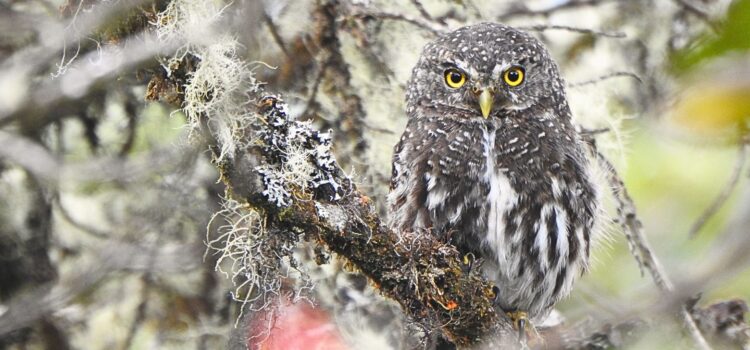
The Chingaza´s Bird Songs
Step into the spectacular landscapes of Chingaza National Natural Park, one of Colombia’s premier birdwatching destinations. Explore High Andean Forest and Páramo ecosystems while observing endemic birds and learning how biodiversity, water, and conservation shape one of the most extraordinary landscapes of the Tropical Andes.
Discover the Birds and Ecosystems of Chingaza National Natural Park
Chingaza National Natural Park is one of Colombia’s most important destinations for birding and nature travel in the Eastern Andes. This protected area encompasses a remarkable variety of high Andean ecosystems, including páramo, Andean cloud forest, mountain wetlands, and sub-Andean forests. These habitats provide essential food sources, shelter, and breeding grounds for numerous resident and migratory birds, making this protected landscape an exceptional destination for a Chingaza Birding Tour focused on discovering the unique biodiversity of the Colombian Andes.
Experience High Andean Birdwatching and Hummingbird Photography
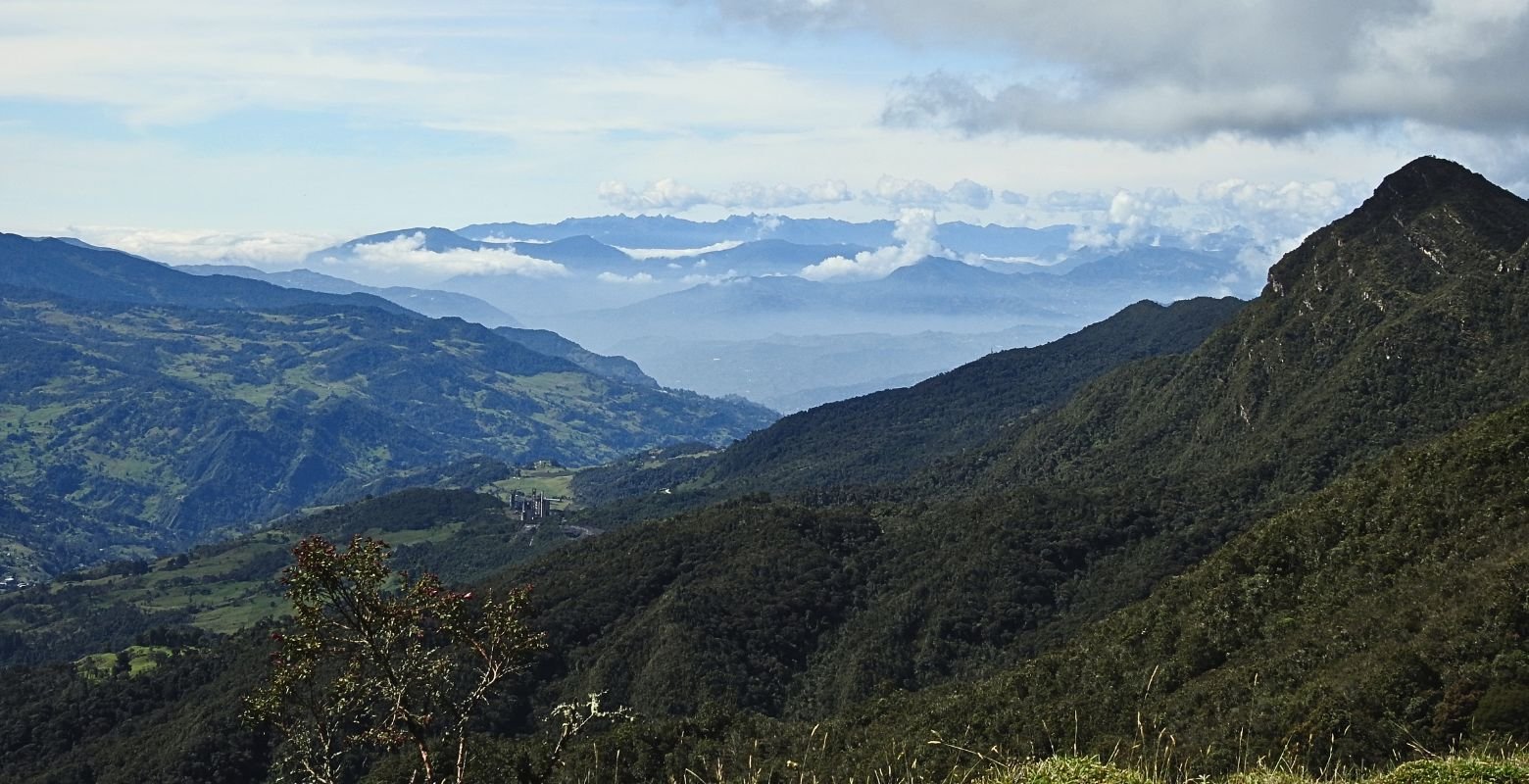
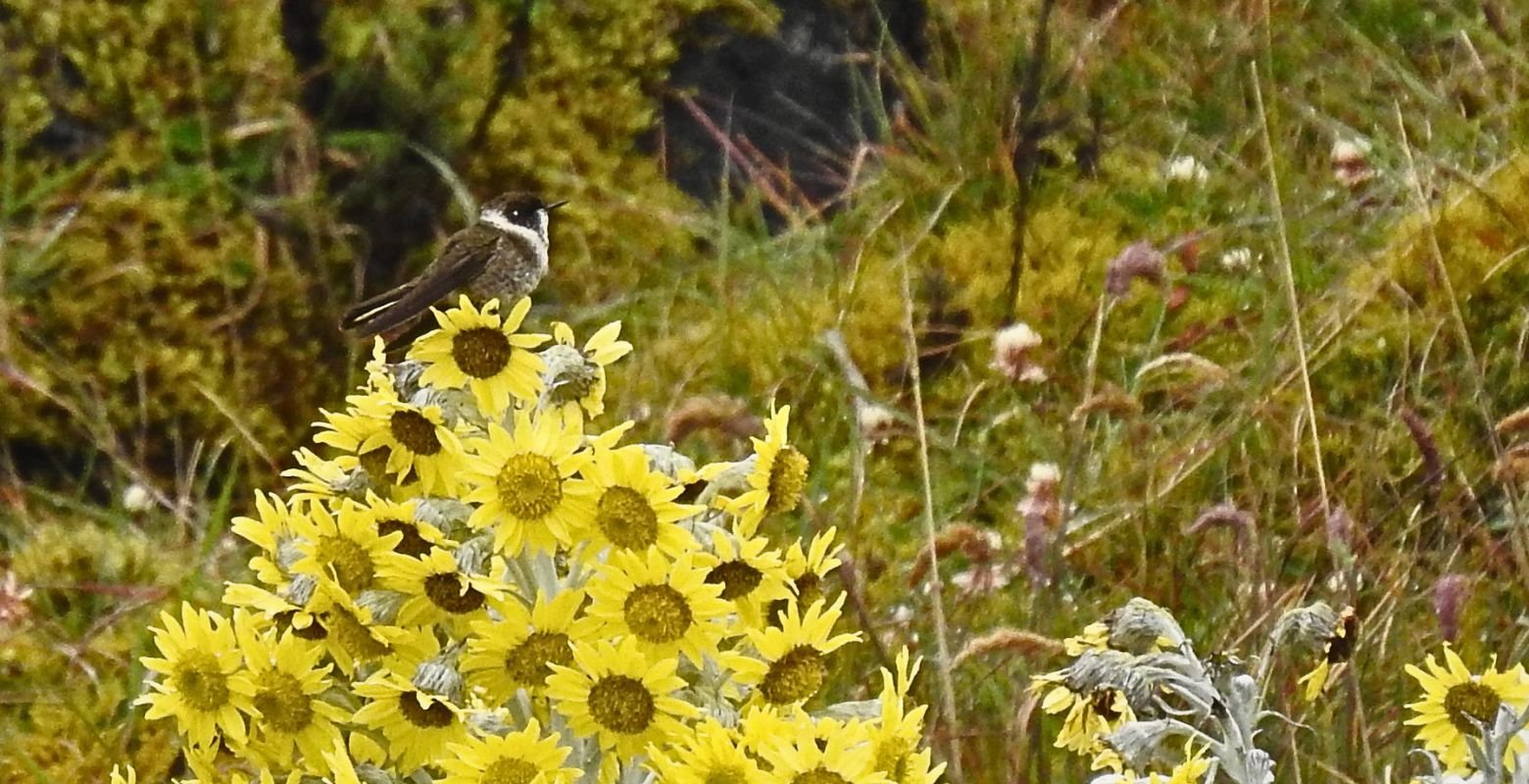
During this full-day birdwatching tour near Bogotá, visitors will explore the spectacular Chingaza páramo ecosystem, a unique high-mountain landscape renowned for its scenery and exceptional birdlife. Surrounded by rolling clouds, crystal-clear streams, and native vegetation, birdwatchers will have opportunities to observe and photograph High Andean birds in their natural habitat. The experience concludes in La Calera, a strategic location for hummingbird watching and photography near Bogotá, where several species of colorful Colombian hummingbirds can be observed at close range.
Target Bird Species Recorded in Chingaza National Park
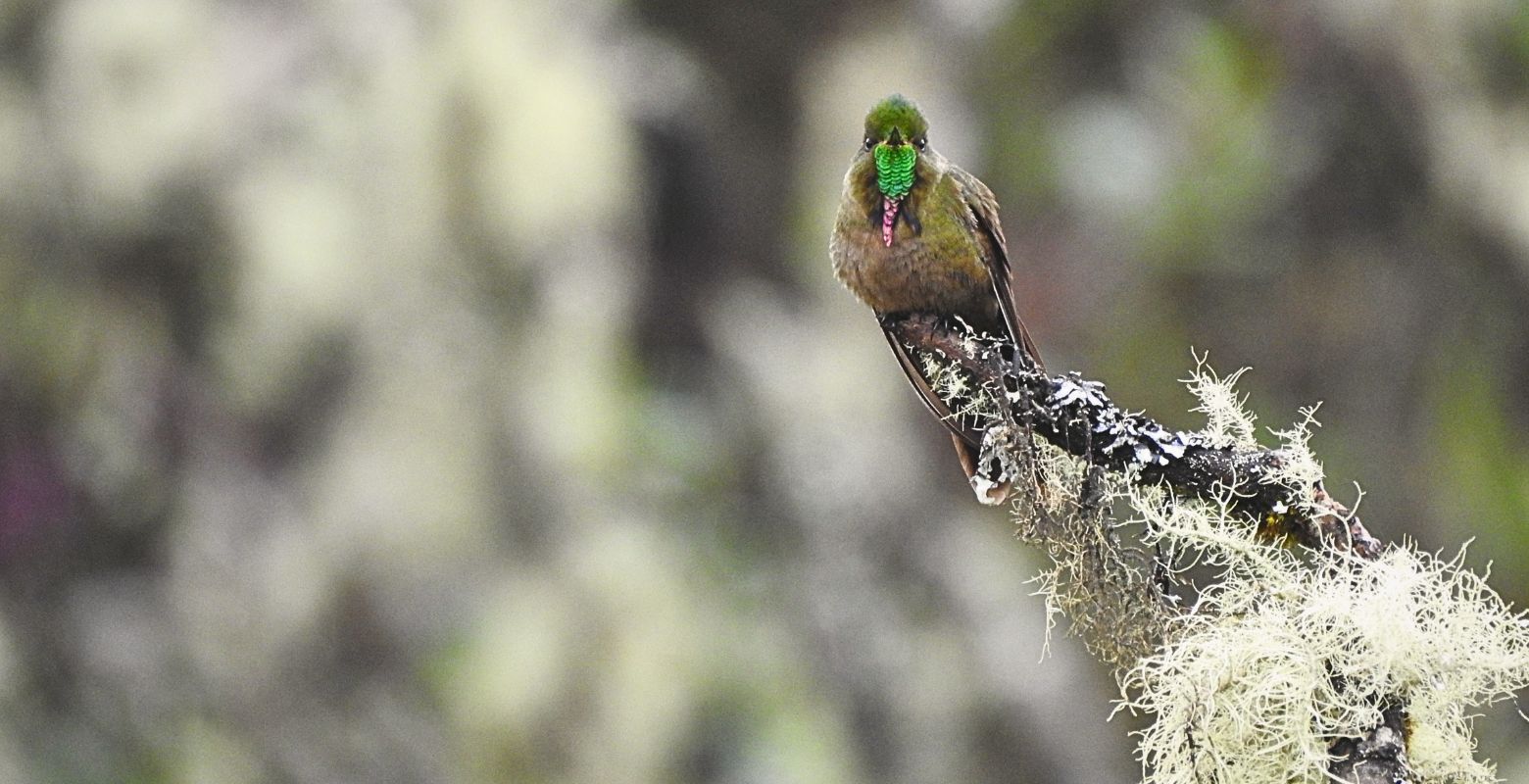
Chingaza National Natural Park protects a unique diversity of high-Andean birds associated with páramo and mountain forests, including endemic, near-endemic, and migratory species of the Eastern Andes. The following list highlights some of the most representative birds that visitors may discover during our guided birdwatching experience in Colombia.
Endemic species (E)
Boyaca Antpitta, Muisca Antpitta, Silvery-throated Spinetail and Brown-breasted Parakeet.
Near-endemic species
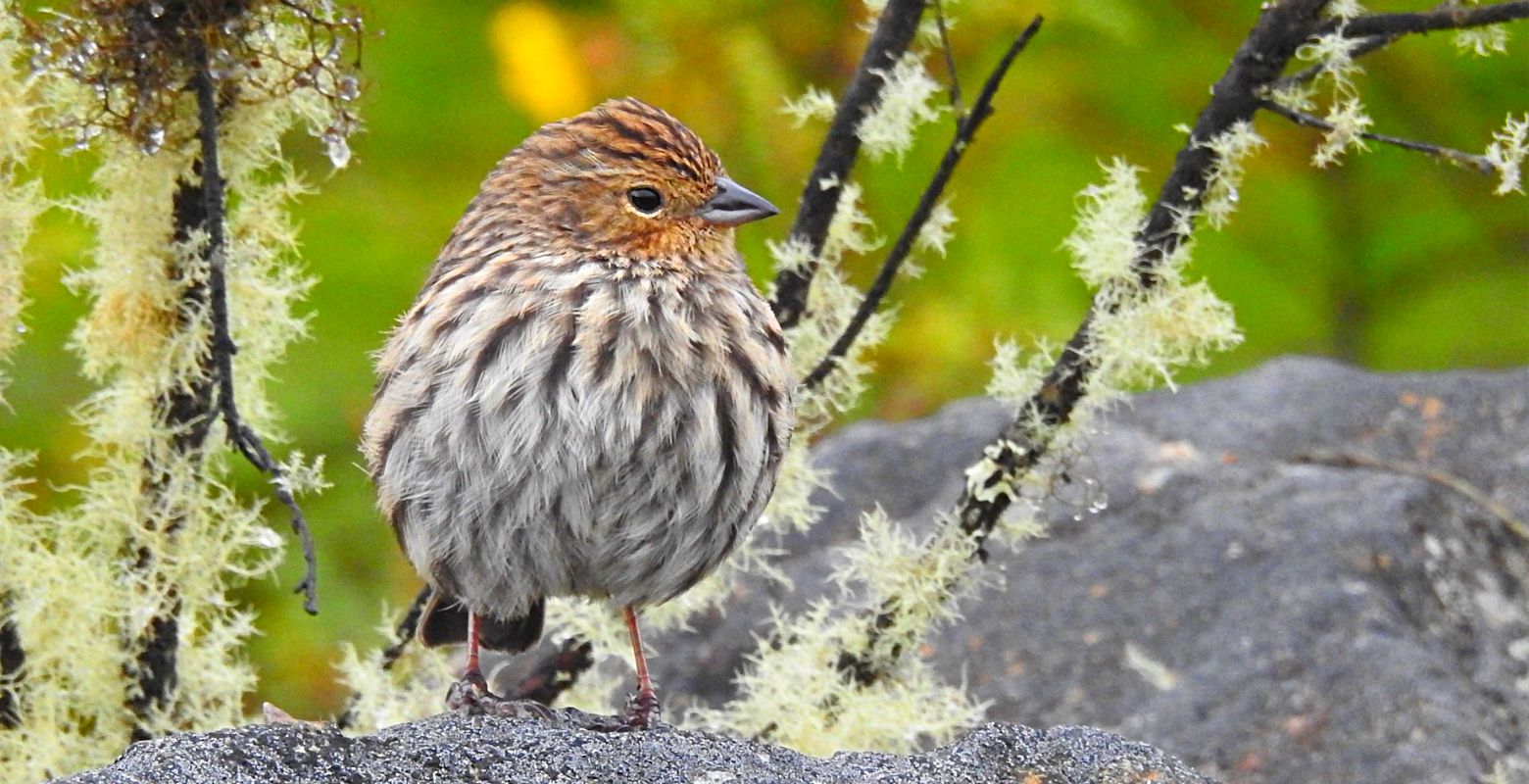
Bronze-tailed Thornbill, Coppery-bellied Puffleg, Black-billed Mountain Toucan, Rufous Wren, Andean Siskin, Pale-naped Brushfinch, Golden-fronted Redstart, Rufous Browed Conebill.
Additional species
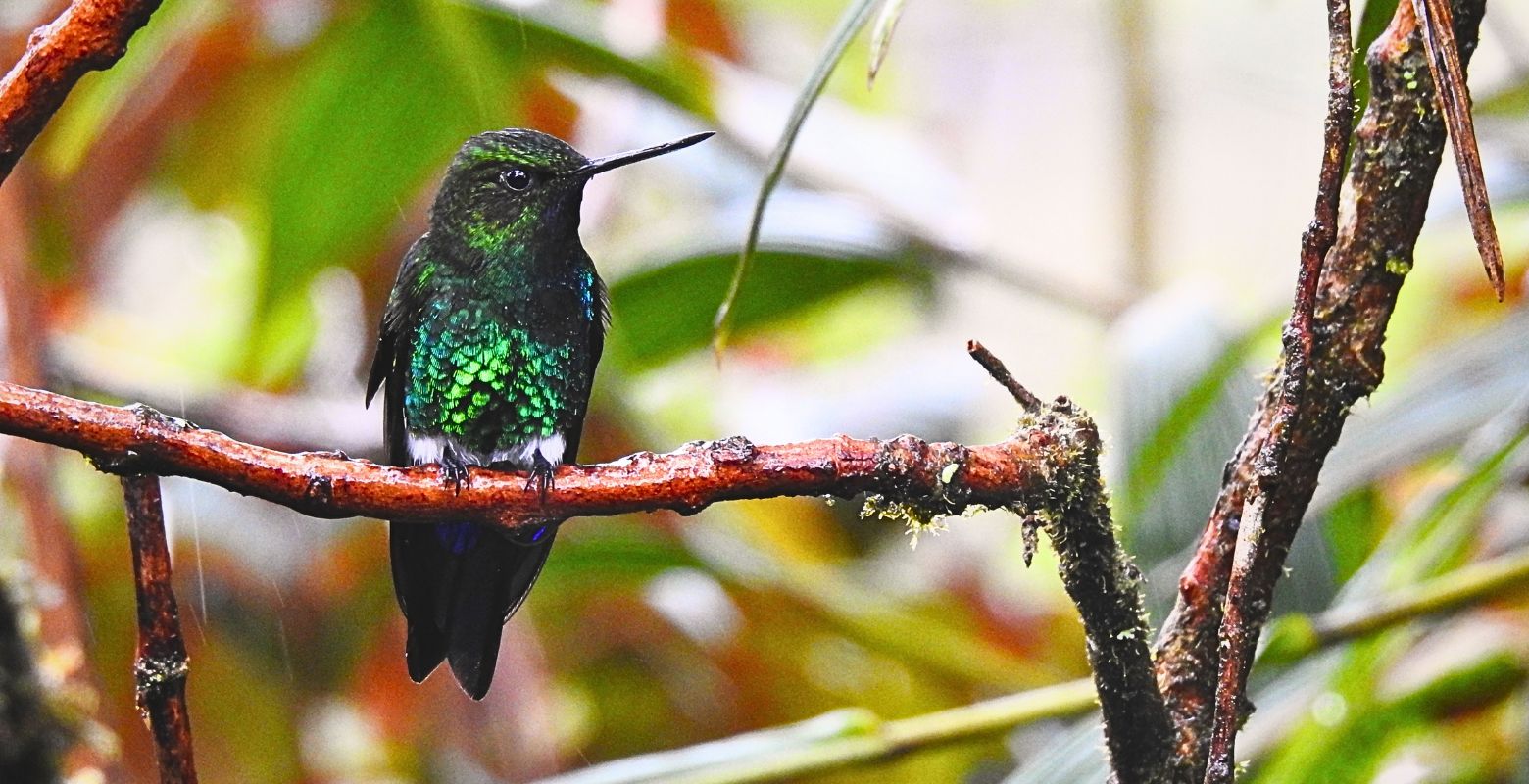
Andean guan, Band-tailed Pigeon, Sparkling Violetear, Longuemare’s Sunangel, Black-tailed Trainbearer, Green-tailed Trainbearer, Purple-backed Thornbill, Tyrian Metaltail, Glowing Puffleg, Shining sunbeam, Great Sapphirewing, Sword-billed Hummingbird, White-bellied Woodstar, Black-chested Buzzard-Eagle, Roadside Hawk, Andean Pygmy-Owl, Smoky-brown Woodpecker, Crimson-mantled Woodpecker, American Kestrel, Pale-bellied Tapaculo, Montane Woodcreeper, Pearled Treerunner, White-chinned Thistletail, Many-striped Canastero, Red-crested Cotinga, White-throated Tyrannulet, Mountain Elaenia, Crowned Chat-Tyrant, Yellow-bellied Chat-Tyrant, Rufous-breasted Chat-Tyrant, Brown-backed Chat-Tyrant, Tropical Kingbird, Brown-bellied Swallow, Grass Wren, Great Thrush. Lesser Goldfinch, Slaty Brushfinch, Gray-browed Brushfinch, Rufous-collared Sparrow, Mountain Cacique, Shiny Cowbird, Black crested Warbler, Black-backed Grosbeak, Plumbeous Sierra Finch, Paramo Seedeater, Band-tailed Seedeater, Plain-colored Seedeater, Plushcap, Black-headed Hemispingus, Superciliaried Hemispingus, Capped Conebill, Blue-Backed Conebill, Rusty Flowerpiercer, White-sided Flowerpiercer, Black Flowerpiercer, Glossy Flowerpiercer, Masked flowerpiercer, Golden-crowned Tanager, Hooded Mountain-Tanager, Scarlet-bellied Mountain-Tanager, Blue-and-black Tanager and more.
Conservation Status of Recorded Bird Species
- Critically endangered (CR): Andean Condor.
- Endangered (EN): Black-billed Mountain Toucan.
- Vulnerable (VU): Brown-breasted Parakeet.
- Near Threatened (NT):Coppery-bellied Puffleg.
- Data Deficient (DD): None recorded.
Austral species migratory (Typically May – September)
Fork-tailed Flycatcher.
Boreal species migratory (Typically September – April)
Broad-winged Hawk, Swainson’s Hawk, Merlin, Western Wood Pewee, Eastern Wood-Pewee, Olive-sided Flycatcher, Eastern Kingbird, Red-eyed Vireo, Bank Swallow, Gray-cheeked Thrush, Swainson’s Thrush, Summer Tanager, Scarlet Tanager.
Tour Information
| Item | Details |
|---|---|
| Destination | Chingaza Páramo. |
| Tour Date | Available according to the visitor’s preferred schedule. |
| Location | La Calera municipality. Guavio Province. Cundinamarca – Colombia. |
| Main Attractions | High-Andean forest and páramo ecosystems, unique bird diversity, endemic and near-endemic species, and hummingbird observation in a private nature reserve. |
| Climate | Cold mountain climate with variable weather conditions typical of high-Andean ecosystems. |
| Altitude | 2,800–3,200 m (9,186-10,499 ft) above sea level. |
| Recommended Age | Suitable for children 7–9 years old. Teenagers: 10–14 years old. Youth: 15–20 years old. Young Adults: 21–39 years old. Adults: 40–64 years old. Senior: 65 years and older. |
| Minimum Group Size | 1 participant (Private tour available). |
| Difficulty Level | Medium (undulating terrain with moderate physical effort) |
| Duration | Approximately 8 hours. |
| Walking Distance | Approximately 2 km (1.2 miles). |
What’s Included in Your Chingaza National Park Birdwatching Experience
Included Services
Transportation and Access
- Round-trip terrestrial transportation from your hotel in Bogotá to Chingaza National Park and back.
- Entrance tickets to Chingaza National Park.
- Entrance tickets to the private reserve dedicated to hummingbird observation.
- Management of access permits required for protected natural areas.
Food, Hydration and Comfort
- Breakfast.
- Lunch.
- Snacks and hydration during the activity.
- Drinking water available throughout the experience.
- An exclusive comfort accessory specially designed to enhance your journey and provide a more enjoyable experience in the cloud forest environment.
Professional Guidance, Planning and Support
- Medical assistance card during the activity.
- Professional birding guide providing personalized guidance and expert interpretation of High Andean Forest, Páramo ecosystems, biodiversity, and conservation throughout the tour.
- Complete administrative management, experience planning, and operational coordination to ensure a safe, organized, and memorable birdwatching experience.
What’s Not Included
The plan does not include
- Services or activities not specifically mentioned in the itinerary.
- Personal expenses and items of personal use.
- Medical expenses beyond the coverage provided by the travel assistance card.
- Alcoholic beverages.
- Tips or gratuities, which are voluntary and provided at the guest’s discretion.
- Additional costs or itinerary changes resulting from circumstances beyond our control.
Why Travel with Raíces Profundas?
- Small groups for a more personalized birdwatching experience.
- Professional local birding guides.
- Responsible nature tourism focused on conservation.
- Interpretation of biodiversity, geology, and Andean ecosystems.
- Comfortable transportation from Bogotá.
- Carefully designed itineraries that maximize birdwatching opportunities.
Recommendations for Your Chingaza Birdwatching Experience
To ensure a safe, comfortable, and rewarding birdwatching experience in Chingaza National Natural Park, we recommend following these guidelines throughout your visit to the High Andean Forest and Páramo ecosystems.
- Punctuality: Please arrive at the meeting point at the scheduled time. This allows us to follow the planned itinerary, maximize birdwatching opportunities, and provide a smooth experience throughout the day.
- Clothing and Equipment: Wear comfortable outdoor clothing suitable for the cool and changing weather conditions of the High Andean Forest and Páramo. We recommend waterproof hiking boots, a rain jacket, warm layers, a hat or cap, gloves, and sun protection.
- Personal Care: Bring sunscreen, personal hygiene items, insect repellent, and one or two reusable bags to collect any personal waste generated during the activity. If you take prescribed medication, remember to bring it with you.
- Personal Belongings: For greater comfort during transportation and the activity, we recommend traveling with a suitcase rather than backpacks or handbags. If you are traveling with a group, each participant should carry their own belongings to distribute weight properly. Rolling suitcases are not recommended due to the natural conditions of some areas.
- Food and Hydration: Breakfast, lunch, snacks, and hydration are included during the experience. You may also bring additional personal snacks if you require extra energy during the activity. Drinking water will be available throughout the tour.
- Documents: Please carry your passport and any personal documents required during your visit. Remember that your experience includes a travel assistance card covering health-related emergencies during the activity.
- Money: Bring the amount of money you consider necessary, especially if you wish to purchase local products, traditional foods, or support local initiatives during your visit.
Responsible Birdwatching Guidelines
To protect Chingaza’s biodiversity and preserve the tranquility of this unique High Andean Forest and Páramo ecosystems, we kindly ask visitors to follow these guidelines:
- Do not participate in the activity under the influence of alcohol or psychoactive substances.
- Do not bring pets or other animal species into the natural areas.
- Avoid carrying radios or any objects that may generate noise and disturb wildlife observation.
Do you have questions or want to make a reservation? Contact us! Our advisors will provide you with all the information you need.
Discover more places where Colombia’s biodiversity reveals its hidden stories. Continue your journey through nature, culture, and conservation.